
Download the 03.10.26 Market Update Special Report for advisors’ use with clients
By Kostya Etus, CFA®, Chief Investment Officer, Dynamic Asset Management
Oil prices reached nearly $120 per barrel on Monday morning, March 9, as key Middle East oil exporters cut production due to the ongoing conflict in Iran. This is a significant increase in oil prices compared to the relatively narrow $55 to $75 range over the past year.
Market volatility followed with the S&P 500 dropping more than 1.5% intra-day, continuing weakness from last week (down 2% last week). Luckily, cooler heads prevailed due to indications that the war against Iran could soon be over, sending the market into positive territory to end the day (up almost 1%) with oil prices settling at around $90 per barrel.
While the headlines surrounding the Iran conflict may be sensational and constantly changing, leading to more market volatility, it’s important to consider the key facts and the true impacts they may have on global economies and markets:
- Iran Oil Exports are Focused on China. While Iran is the fifth largest producer of oil in the world, more than 90% of Iran’s oil exports are to China. Thus, the rest of the world isn’t heavily dependent on Iran’s oil production. That said, neither is China, Iran oil only represents about 11% of China’s oil imports. Any oil shortages from Iran can simply be sourced from other trade partners of China.
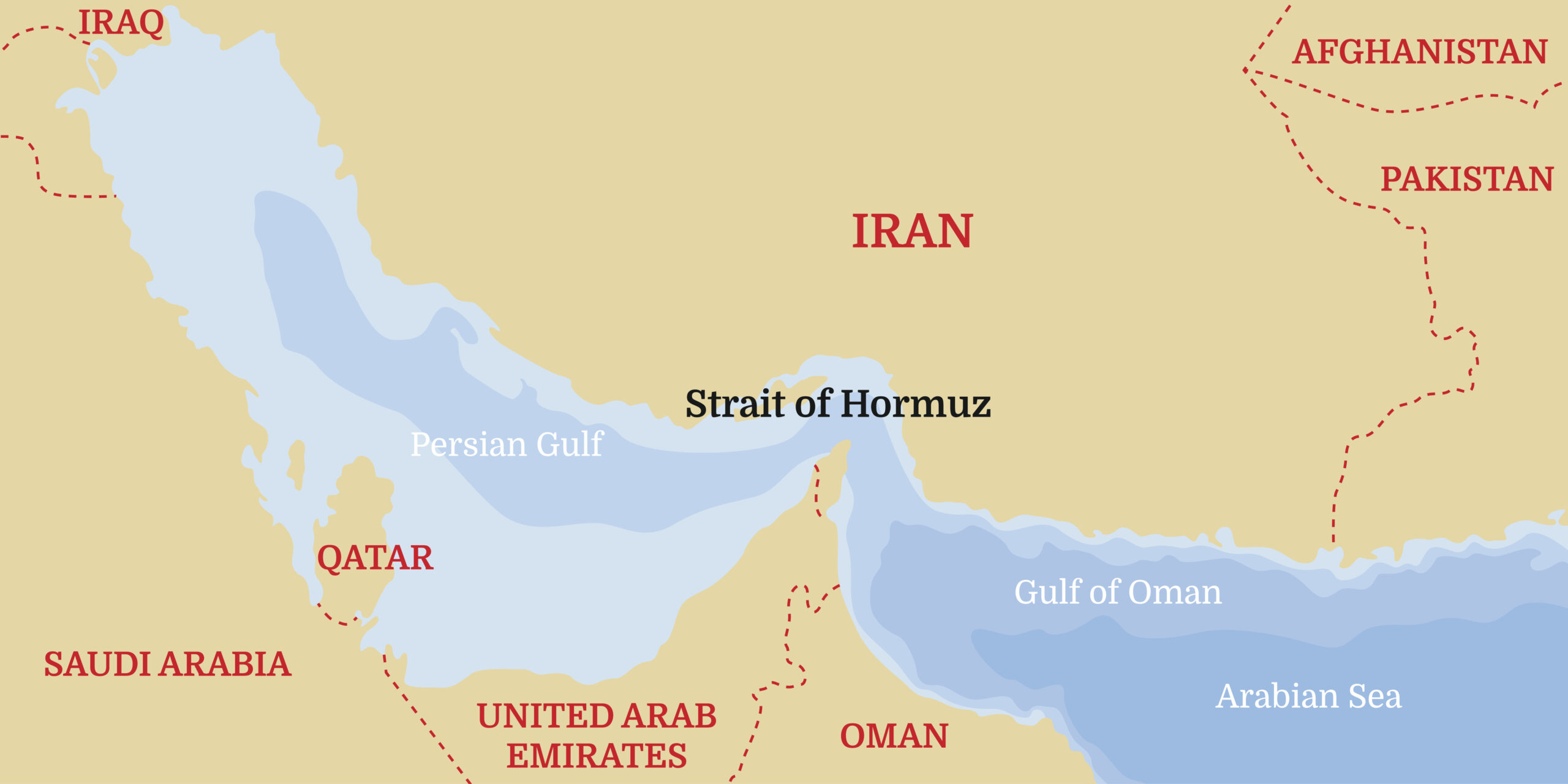
- The Strait of Hormuz is the Key Risk. Around 25% of oil shipped by sea passes through the Strait of Hormuz, a narrow corridor south of Iran, connecting major oil producers in the Middle East to the rest of the world (primarily Asia region). Unlike the U.S. and other global producers, the Middle East oil producers are less reliant on oil pipelines for transport due to their geographic location. The current conflict is creating blockage for this passage, resulting in supply chain delays and thus, higher oil prices.
- G7 Has Strategic Petroleum Reserves to Stabilize Markets. The Group of Seven (G7), the seven major industrialized nations around the globe, has contingencies in place for situations that include a war in the Middle East. There is an established Strategic Petroleum Reserve (SPR), an emergency stockpile of government-owned oil reserves, designed to mitigate disruptions in oil supply and maintain stability for oil prices and economic activity. The G7 is prepared to release these reserves if necessary to stabilize markets.
In summary, despite the short-term headline noise resulting in market and oil price volatility, it’s important to take a step back and look at the big picture. Global reliance on Iran oil is low, and there are contingencies in place for any supply disruptions from the Middle East. Thus, it’s also important to focus on fundamentals, which tend to drive the market over the long-term. With the economy and stock market on stable footing, staying invested and diversified are more important than ever.
Stay diversified, my friends.
As always, Dynamic recommends staying balanced, diversified and invested. Despite short-term market pullbacks, it’s more important than ever to focus on the long-term, improving the chances for investors to reach their goals.
Should you need help navigating client concerns, don’t hesitate to reach out to Dynamic’s Asset Management team at (877) 257-3840, ext. 4 or investmentmanagement@dynamicadvisorsolutions.com.
Disclosures
This commentary is provided for informational and educational purposes only. The information, analysis and opinions expressed herein reflect our judgment and opinions as of the date of writing and are subject to change at any time without notice. This is not intended to be used as a general guide to investing, or as a source of any specific recommendation, and it makes no implied or expressed recommendations concerning the manner in which clients’ accounts should or would be handled, as appropriate strategies depend on the client’s specific objectives.
This commentary is not intended to constitute legal, tax, securities or investment advice or a recommended course of action in any given situation. Investors should not assume that investments in any security, asset class, sector, market, or strategy discussed herein will be profitable and no representations are made that clients will be able to achieve a certain level of performance, or avoid loss.
All investments carry a certain risk and there is no assurance that an investment will provide positive performance over any period of time. Information obtained from third party resources are believed to be reliable but not guaranteed as to its accuracy or reliability. These materials do not purport to contain all the relevant information that investors may wish to consider in making investment decisions and is not intended to be a substitute for exercising independent judgment. Any statements regarding future events constitute only subjective views or beliefs, are not guarantees or projections of performance, should not be relied on, are subject to change due to a variety of factors, including fluctuating market conditions, and involve inherent risks and uncertainties, both general and specific, many of which cannot be predicted or quantified and are beyond our control. Future results could differ materially and no assurance is given that these statements or assumptions are now or will prove to be accurate or complete in any way.
Past performance is not a guarantee or a reliable indicator of future results. Investing in the markets is subject to certain risks including market, interest rate, issuer, credit and inflation risk; investments may be worth more or less than the original cost when redeemed.
Investment advisory services are offered through Dynamic Advisor Solutions, LLC, dba Dynamic Wealth Advisors, an SEC registered investment advisor.
Photo: Adobe Stock